Source Ice Skating Rinks Dasher Board for Sports Facilities
Find 30 ice skating rinks dasher board options from Chinese manufacturers. Compare PE engineering plastic sheets with high impact resistance and low friction coefficients for durable rink walls. These panels offer customization, durable construction, and are suitable for all seasons. Buyers can evaluate tensile strength, water absorption, and breaking elongation to select the best material for their specific application needs.
Key considerations
Products List




Comprehensive Sourcing Guide
Ice Skating Rinks Dasher Board Sourcing Guide
Procuring dasher boards for ice skating rinks requires a strategic approach that balances structural integrity with operational flexibility. These barriers serve as the primary safety interface between players and spectators, demanding materials that can withstand high-impact collisions while maintaining a smooth surface for puck movement. Buyers must evaluate suppliers based on their ability to provide customized dimensions and robust framing systems that integrate seamlessly with existing rink infrastructure. The selection process involves analyzing material properties, such as tensile strength and friction coefficients, to ensure optimal performance under varying environmental conditions.
The sourcing landscape for these components is diverse, with manufacturers offering a wide range of configurations to suit different rink sizes and usage intensities. From standard modular panels to fully customized engineering plastic sheets, the market provides solutions for both recreational facilities and professional sports arenas. Understanding the specific requirements of your facility, including desired color schemes and logo placement, is crucial for selecting the right vendor. This guide outlines the key technical, commercial, and quality assurance factors necessary for making an informed procurement decision that ensures long-term durability and safety compliance.
Product Scope and Observed Listing Signals
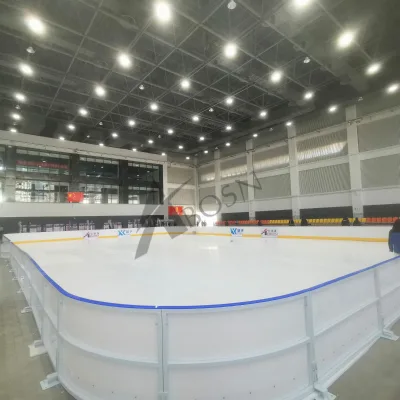
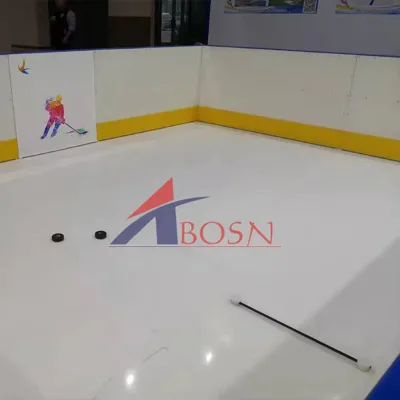
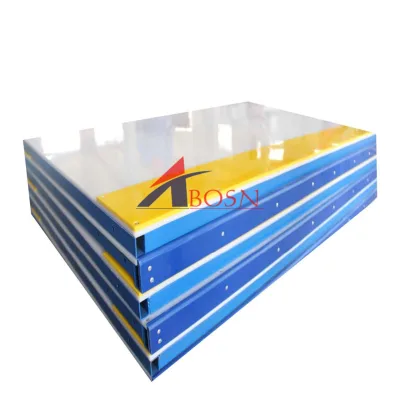
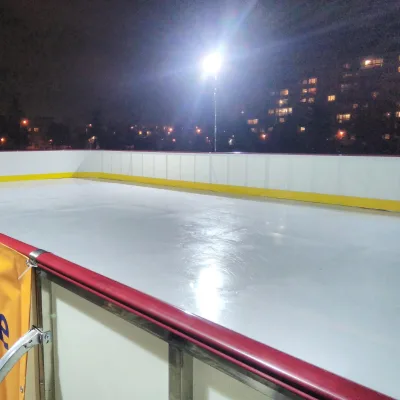
The current market for ice rink dasher boards features a variety of product types, primarily centered around hard plastic sheets and engineering plastic panels. Listings indicate that materials are predominantly polyethylene (PE), chosen for their durability and reusability across all seasons. These boards are often marketed with specific applications in mind, such as sports rinks and hockey rink walls, highlighting their specialized design for high-impact environments. The observed product range includes various models, suggesting a modular approach where components can be mixed and matched to fit specific rink layouts.
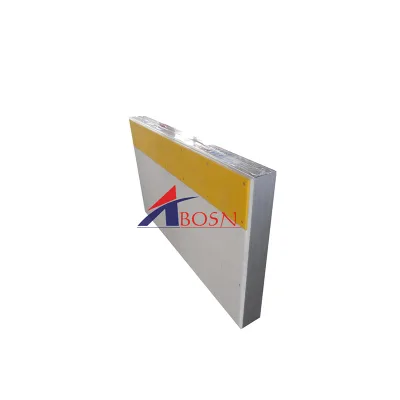
Buyers will notice that customization is a central theme in available listings, with options for tailored sizes, colors, and branding. Many suppliers offer the ability to print or engrave logos directly onto the panels, allowing facilities to maintain their visual identity. The products are typically described as having high impact resistance and easy installation features, which are critical for minimizing downtime during setup or maintenance. Additionally, the presence of steel or aluminum frames in some listings indicates a hybrid construction approach, combining the shock absorption of plastic with the structural rigidity of metal supports.
Technical Specifications to Verify
When evaluating dasher boards, verifying the material density and molecular weight is essential for ensuring long-term performance. Polyethylene panels often exhibit a density range of 0.93-0.97 g/cm³, which contributes to their buoyancy and resistance to water absorption, typically less than 0.01%. This low absorption rate prevents swelling or degradation in wet ice environments. Furthermore, the molecular weight of the polymer, which can range from 3 to 9 million, significantly influences the material's toughness and ability to absorb impact without cracking or shattering under stress.
Friction coefficients are another critical technical parameter, with observed values ranging from 0.07 to 0.15, depending on the specific surface treatment. A lower friction coefficient ensures that pucks glide smoothly along the boards, reducing unpredictable bounces that could affect gameplay. Buyers should also confirm the tensile strength, which typically falls between 81 and 130 MPa, and the breaking elongation, which should exceed 300% to allow for flexibility during collisions. These mechanical properties collectively determine the board's ability to withstand repeated impacts from players and equipment without permanent deformation.
Compliance and Safety Documentation
Safety compliance is paramount when sourcing dasher boards, as these structures must protect both athletes and spectators from injury. Buyers should request documentation that verifies adherence to relevant safety standards, such as CE, FDA, SGS, and ISO9001 certifications, which indicate that the manufacturer follows rigorous quality management and material safety protocols. These certifications provide assurance that the materials used are non-toxic and suitable for environments where human contact is frequent. Additionally, verifying that the product meets specific industry standards for impact resistance and structural stability is crucial for liability management.
Beyond certifications, buyers must ensure that the dasher boards are designed to meet the specific safety requirements of the intended application, whether for recreational skating or professional hockey. This includes checking for smooth edges and corners to prevent lacerations, as well as ensuring that the installation system does not create pinch points or sharp protrusions. Documentation should also include test results or engineering calculations that demonstrate the board's ability to withstand expected loads and impacts. Clear safety guidelines provided by the supplier can further assist in proper installation and maintenance, reducing the risk of accidents over time.
Cost Drivers and Commercial Terms
The cost of dasher boards is influenced by several factors, including material quality, customization level, and order volume. Observed price ranges vary significantly, reflecting differences in panel thickness, frame construction, and additional features like logo printing. Buyers should consider the total cost of ownership, which includes installation, maintenance, and potential replacement costs, rather than just the initial purchase price. Higher-quality materials with superior impact resistance may have a higher upfront cost but can offer better long-term value by reducing the frequency of repairs and replacements.
Commercial terms such as minimum order quantities (MOQ) and packaging methods also play a role in the overall procurement strategy. MOQs can range from small batches for small rinks to large volumes for extensive facilities, affecting inventory management and cash flow. Packaging is typically done on pallets or in plywood boxes to protect the panels during transit, which can impact shipping costs and handling requirements. Buyers should negotiate clear terms regarding delivery times, warranty coverage, and after-sales support to ensure a smooth procurement process and mitigate risks associated with supply chain disruptions.
Supplier Qualification and Quality Control
Selecting a reliable supplier involves assessing their manufacturing capabilities, quality control processes, and track record in the industry. Buyers should verify that the supplier has experience in producing dasher boards for sports facilities and can provide references or case studies from previous projects. It is important to inquire about their quality control measures, including material testing, dimensional accuracy checks, and surface finish inspections. Suppliers that adhere to international standards like ISO9001 are more likely to maintain consistent product quality and meet buyer expectations.
Additionally, buyers should evaluate the supplier's ability to provide customized solutions, as many rinks have unique dimensional and aesthetic requirements. A qualified supplier should offer flexible production options, including custom sizes, colors, and branding, while maintaining strict quality standards. Communication and responsiveness are also key indicators of a reliable partner, as they reflect the supplier's commitment to customer service and problem-solving. Establishing a clear communication channel and defining expectations early in the procurement process can help prevent misunderstandings and ensure a successful collaboration.
Long-Term Procurement Checks
Long-term success in sourcing dasher boards depends on establishing a robust maintenance and replacement strategy. Buyers should develop a schedule for regular inspections to identify signs of wear, such as cracks, scratches, or loose fittings, and address them promptly to prevent further damage. Keeping a stock of spare panels and hardware can minimize downtime in case of accidental damage during games or maintenance activities. Suppliers that offer ongoing support and easy access to replacement parts are valuable partners for maintaining rink operations over time.
Furthermore, buyers should stay informed about advancements in materials and technologies that could improve the performance and longevity of dasher boards. Engaging with suppliers for feedback on product usage and exploring new options for enhanced durability or safety features can lead to better procurement decisions in the future. Building a long-term relationship with a trusted supplier can also facilitate better pricing, priority service, and access to new product developments. Regularly reviewing procurement strategies and supplier performance ensures that the rink remains safe, functional, and visually appealing for years to come.
FAQs
What material is used for ice skating rink dasher boards?
The dasher boards are manufactured from high-density polyethylene (PE) plastic. This material provides exceptional durability and reusability for sports rinks. It features high impact resistance and a low friction coefficient of 0.07 to 0.15. The plastic ensures smooth puck movement while maintaining structural integrity during intense gameplay sessions.
Can I customize the size of the hockey rink wall panels?
Yes, customization is available for all dasher board panels. You can specify dimensions such as 2000mm by 1200mm or request any custom size. The panels are designed to fit specific rink requirements. This flexibility allows for precise installation in various sports facilities, ensuring a perfect fit for your unique arena layout.
What certifications do the PE plastic sheets have?
The plastic sheets hold CE, FDA, SGS, and ISO9001 certifications. These credentials verify compliance with international quality and safety standards. The material is suitable for sports applications requiring strict regulatory adherence. Buyers can rely on these certifications to ensure the dasher boards meet global market expectations for safety and performance.
What is the working temperature range for the dasher boards?
The dasher boards operate effectively from -269°C to 85°C. This wide range ensures stability in extreme cold environments typical of ice rinks. The material maintains its structural properties without becoming brittle. This thermal resilience makes the panels ideal for year-round use in various climatic conditions across different global locations.
How are the dasher boards packaged for shipping?
The panels are packaged on pallets or in plywood boxes. This secure packaging protects the sheets during transit. The packing method can be adjusted to meet specific buyer requirements. Proper packaging ensures the dasher boards arrive in pristine condition, ready for immediate installation without damage from handling or environmental factors during shipping.
What is the tensile strength of the plastic panels?
The plastic panels exhibit a tensile strength ranging from 81 to 130 MPa. This high strength ensures the boards withstand significant impact forces. The material also features a breaking elongation of over 300%, providing flexibility. These mechanical properties contribute to the long lifespan and safety of the rink barriers during active sports use.